





Mid-Year Minimum Wage Increases: What Employers Need to Know for July 1, 2026
Prepare for the July 1, 2026 minimum wage increases across Alaska, Oregon, Washington D.C., and California. Ensure compliance before your next...
1 min read

Employers need to ensure that they understand the requirements of the Fair Labor Standards Act (FLSA) and the overtime rules that are within. Here is what you need to know.
UPDATE 02.23.23: The following article is no longer in-date. See this article for an up-to-date rundown on the 2024 Salary Threshold Changes for Overtime Exemptions details.
In the coming weeks, the Department of Labor is expected to publish new overtime rules that could impact five million U.S workers. These updates would dramatically raise the minimum salary requirement for affected employees to qualify as exempt or not subject to overtime pay. It is yet unclear when the final rules will exactly be announced, but the good news is that employers can take important steps now to get ready for that change.
What is the proposed change?
The proposed changes to the Fair Labor Standards Act (FLSA) would more than double the salary threshold of millions of white collar workers from $455 a week to $970 a week in order to qualify for exempt status per the rules of the FLSA. It is possible the amount may be different when the final rules are announced sometime this spring.
What does that change mean for employers?
Millions of employees will either need to be reclassified as non-exempt or have their salaries raised to the new threshold level. Employers who fail to do so may face claims for back pay, interest, and other penalties. Under the proposal, the exempt salary threshold would increase automatically each year.
What is the timeline?
Although the timeline for the upcoming FLSA overtime changes is still uncertain, it could be anticipated to look something like this:
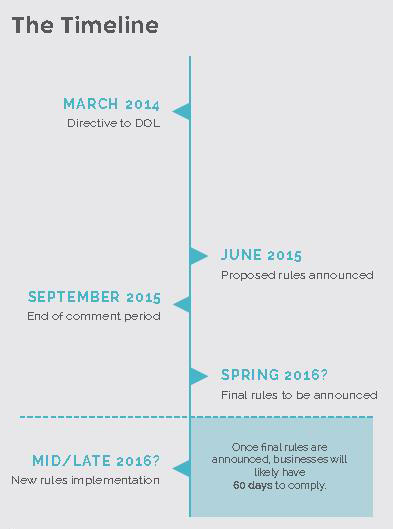
What can employers do to get ready for these changes?
There are four steps that every employer should follow to prepare for the upcoming FLSA changes, as follows:
The proposed FLSA changes are leaving employers with a lot to consider. While talking with your employees about possible compensation changes may be a bit uncomfortable, it’s best to start those conversations now in order to get ahead of any overtime decisions before they are announced.
For more details on these four steps as well as some helpful tips and examples, click here to download a copy of our white paper or contact a PayNorthwest specialist toll-free at +1.866.729.6920.
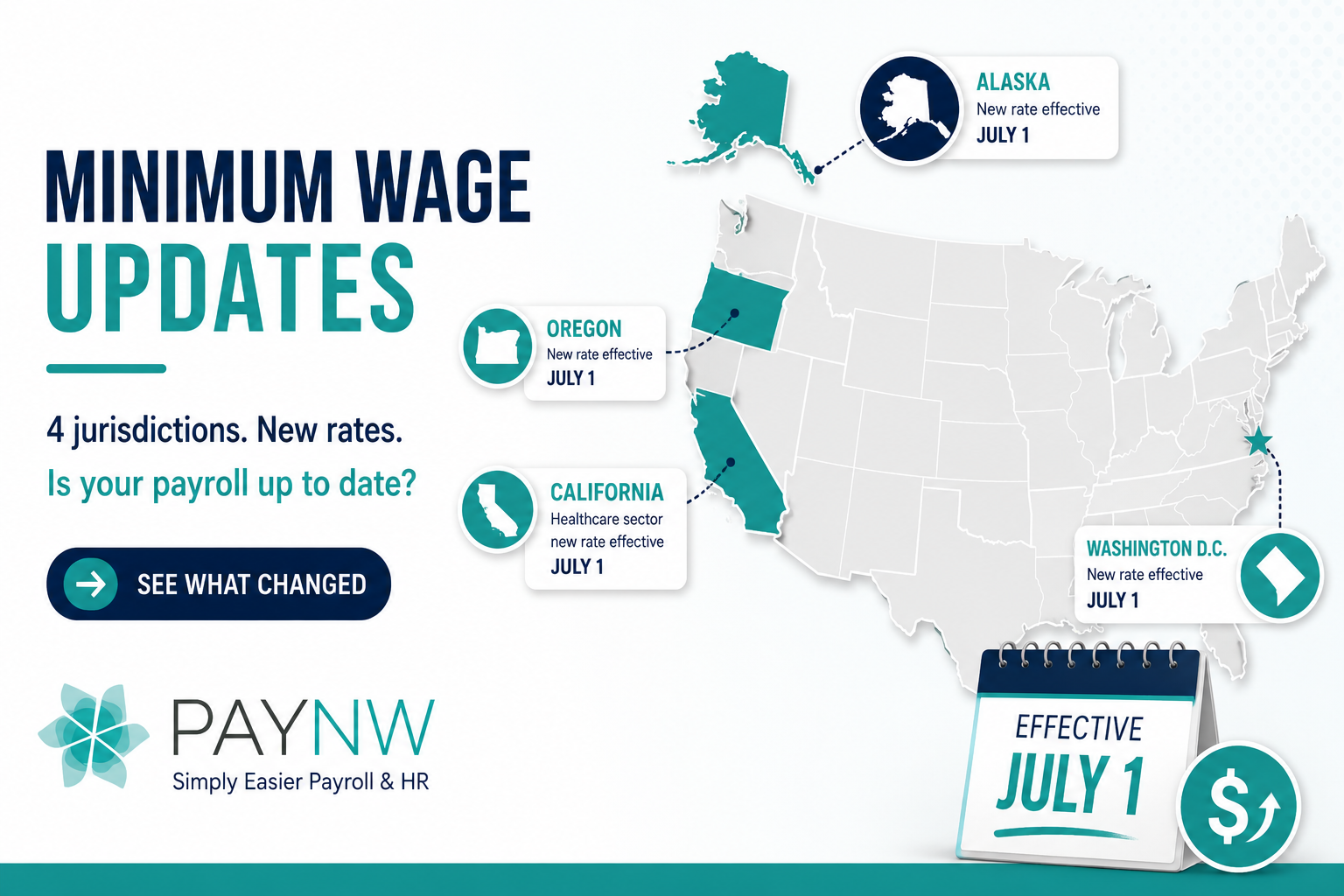
Prepare for the July 1, 2026 minimum wage increases across Alaska, Oregon, Washington D.C., and California. Ensure compliance before your next...

The ability to transfer funds among cards is popular with workers. Here is what you need to know regarding Pay Cards and state laws.

From our partners at Kronos Ensuring the efficiency of your business means that you understand how to optimize your entire workforce.