





4 min read
When PTO Isn't Just a Benefit, It's a Wage
Picture this: an employee gives notice, walks out the door with 40 hours of unused PTO on the books, and asks about their final check. Is that time...
3 min read
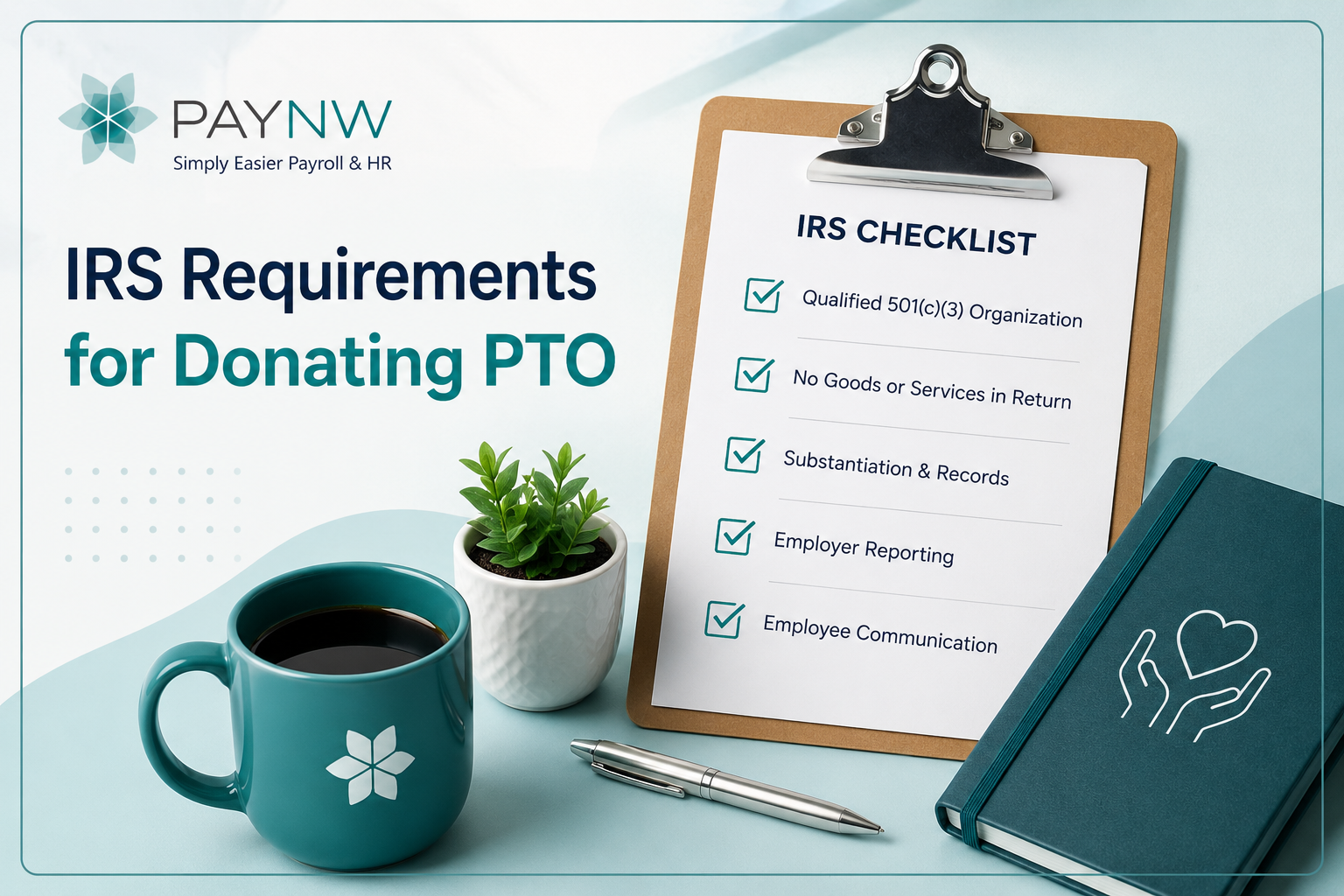
Picture this: someone's out for weeks with a serious medical emergency and has used up every hour of PTO they have. A coworker says, "I've got plenty banked — just take some of mine." It's a generous instinct. It's also not as simple as it sounds — the IRS has specific rules about how PTO can move from one employee to another, and skipping them can leave both people with a tax bill they didn't expect.
PTO Donations, also referred to as "Leave Sharing", are when an employee transfers their accrued paid time off to a shared employer pool or coworker, generally due to a major medical emergency or federally declared disaster.
The general answer is "yes", however, in order to donate PTO to another employee, a company must have some sort of formal leave-sharing or leave pool program established.
In addition, these types of programs typically only allow PTO donation in specific circumstances, such as medical emergencies. Many programs or policies typically also require the recipient of the PTO donation to have exhausted all of their accrued leave first.
Regardless, there are tax implications that employees and employers should be aware of regarding PTO donation.
Under general tax principles, the person who earns paid time off is the one responsible for the taxes on it — whether they use it themselves or hand it to someone else. Without a qualifying program in place, a PTO donation can end up taxed to both the donor (as if they'd used it themselves) and the recipient (as ordinary wages when they use it).
To avoid that outcome, the IRS carved out two specific structures where donated leave is only taxed to the person who receives it:
Both routes require a written plan that the employer actually administers — an informal "just use my hours" arrangement between two coworkers doesn't qualify for either exception.
Yes, many employers choose to implement PTO donation or leave-sharing programs that allow employees to donate unused paid time off to coworkers facing serious medical emergencies or other qualifying hardships. However, participation is voluntary, and employers should establish clear policies governing how the program operates.
It depends on how the program is structured. Certain IRS-approved leave-sharing programs allow donated PTO to be transferred without creating taxable income for the donating employee. To qualify, the program must meet specific IRS requirements, such as limiting donations to employees experiencing medical emergencies or major disasters.
A written policy helps ensure donations are handled consistently and fairly while complying with applicable tax rules. It should clearly define who is eligible to receive donated leave, the circumstances under which donations are permitted, and how the donation process works. Clear policies also help reduce administrative confusion and compliance risks.
PTO donation programs are generally intended for employees experiencing a qualifying medical emergency or those affected by a federally declared major disaster who have exhausted their available paid leave. Eligibility requirements should be outlined in the employer's policy.
A PTO donation program is a genuinely nice thing to offer employees — but the difference between "nice idea" and "unexpected tax bill" comes down to whether the plan is actually built the way the IRS requires. Designing and administering the plan itself is a legal and policy decision that belongs with your organization and counsel. Where PayNW comes in is on the execution side: once your plan is defined, we help make sure donated leave is coded and taxed correctly in payroll, every time it's used. If you're weighing whether a leave-sharing program makes sense for your team, let's talk about how the payroll side would work.



4 min read
Picture this: an employee gives notice, walks out the door with 40 hours of unused PTO on the books, and asks about their final check. Is that time...

3 min read
Employees in Washington State who are victims of domestic violence, sexual assault, or stalking are entitled to time off from work as well as certain...

2 min read
Employers in Washington State handle and store a lot of sensitive and important information regarding their workforce. It's important that employers...